


Neuroinclusion audits for workplaces, services and organisations
Understand where neuroinclusion is working, and where barriers remain
A Neuro Tide neuroinclusion audit helps organisations understand how neurodivergent people may experience workplaces, documents, processes, services, digital content and environments.
The audit identifies barriers, strengths and opportunities for improvement, giving organisations a clearer evidence base for practical and measurable neuroinclusive change.
See what others miss
Many neuroinclusion barriers are hidden in everyday workplace design. They may sit in lighting, noise, signage, meeting routines, document layout, recruitment steps, instructions, digital journeys, customer processes or the way information is communicated.
A neuroinclusion audit helps organisations move beyond assumptions and understand where the experience itself may be creating avoidable friction.
Designed around a broad range of neurodivergent experience
Neuro Tide specialises in ADHD, autism and AuDHD, while also considering dyslexia, dyscalculia, dysgraphia, dyspraxia and tics / Tourette’s throughout our neuroinclusion audit work. This matters because barriers can show up differently across communication, sensory experience, processing, movement, attention, memory, planning, reading, writing and numerical information.
The audit is not designed around one narrow profile. It considers how real people may experience real workplaces, documents, services and systems.

What a Neuro Tide audit can review
Workplaces and physical environments
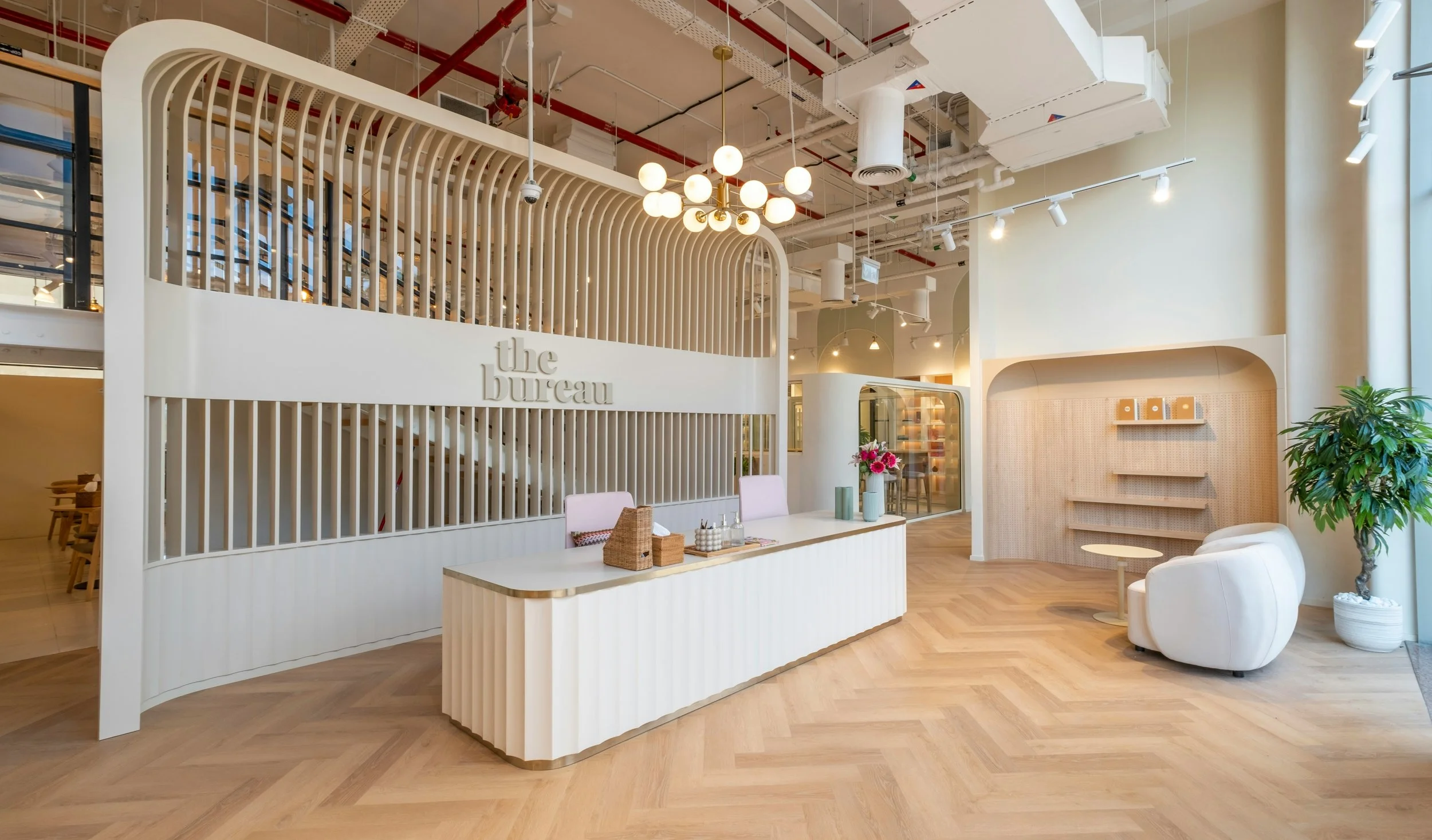
We can review offices, meeting rooms, reception areas, shared spaces, quiet areas, breakout spaces, lighting, noise, movement, signage, wayfinding and the wider sensory experience of a workplace or service environment.
Documents and written communication
We can review policies, forms, reports, guidance, employee communications, candidate materials, customer information and internal documents for clarity, structure, accessibility and neuroinclusive design.

Processes and employee journeys
We can review recruitment, onboarding, performance management, workplace adjustment routes, learning processes, meeting practice and other organisational touchpoints where barriers may appear.

Digital content and platforms
We can review web pages, digital forms, portals, online learning, service journeys and digital content where layout, language, structure or interaction design may affect accessibility and inclusion.
Future-ready information
Accessibility expectations, legislation, technology and user needs continue to evolve. A Neuro Tide audit helps your organisation understand what may need attention now, and what to consider next.
The aim is to help you build documents, platforms and digital journeys that are not only more compliant, but genuinely more accessible, neuroinclusive and effective.

What the audit helps organisations understand
The audit highlights where current practice is working well and where neurodivergent people may face unnecessary barriers.
It helps organisations understand how people receive information, navigate environments, access support, follow processes, participate in meetings, use documents and experience expectations.
How findings are presented
Findings are presented in a clear, structured and practical way. The focus is on what is happening, why it matters and what can improve.
Where appropriate, findings can include a Neuroinclusion Score to help organisations understand current practice, track progress and communicate improvement more consistently.
The Neuro Tide Neuroinclusion Score
A Neuro Tide audit can include a Neuroinclusion Score, giving your organisation a clear baseline across the areas included within the agreed scope.
Each element is reviewed against a consistent set of relevant questions and scored as 0 where it is not neuroinclusive, 1 where it is partially neuroinclusive or 2 where it is fully neuroinclusive.
These scores are converted into a percentage, helping leaders see how well each part of the colleague, candidate, customer, learner, visitor or service-user experience supports neuroinclusion.
Several scores are usually produced within the same audit, because neuroinclusion is rarely shaped by one factor alone.
Each score reflects the evidence available at the time of review and provides a structured assessment of the element being examined, while recognising that individual neurodivergent experiences, preferences and support needs will still vary.
The score is confidential and will never be shared by Neuro Tide, but you as the organisation can share as you wish.

Standards, guidance and real-world experience
Audit work can consider recognised equality, accessibility, inclusive design and sector-specific expectations where relevant to the agreed scope. This may include the Equality Act 2010, WCAG 2.2, the European Accessibility Act, the Americans with Disabilities Act, building regulations, BSI PAS 6463 Design for the Mind and wider accessibility good practice.
Where construction, estates, facilities, technical information or product-related communication is in scope, Neuro Tide can also consider the principles promoted by the Code for Construction Product Information, including the need for information to be clear, accurate, up-to-date, accessible and unambiguous.
These frameworks provide an important reference point, but they are not the end of the review. They are considered alongside lived experience, workplace observation and organisational reality, including how people are likely to experience an environment, document, platform, process or journey in real use.
The aim is to provide recommendations that support organisational responsibility while remaining credible, relevant and possible to act on.
Training and individual support are valuable, but they may have limited impact if wider systems and environments continue to create barriers.
A neuroinclusion audit helps organisations understand whether the workplace, document, process or service itself needs to change. This supports better decisions, stronger planning and more inclusive practice.
Why neuroinclusion audits matter
Who the audit is for
A neuroinclusion audit can support HR teams, estates and facilities teams, recruitment teams, service designers, communications teams, accessibility leads, learning and development teams, senior leaders and organisations reviewing employee or customer experience.
It can be used before a wider change programme, after employee feedback, alongside accessibility work, following a workplace concern or as part of a proactive neuroinclusion strategy.

What better audit outcomes can create

A strong audit gives organisations sharper insight, clearer priorities and a more confident route to improvement.
It helps neuroinclusion become visible, measurable and embedded in the way workplaces, services and systems are designed.
Neuroinclusion audit case studies
The following examples show how neuroinclusion auditing can move beyond broad intention and into the detailed information, environments and experiences people rely on.
They also demonstrate that neuroinclusion is relevant to technical information, safety, meetings, engagement and public-facing practice and not only internal employee initiatives.

Knauf UK & Ireland
Neuroinclusive product data sheet audit
Neuro Tide reviewed Knauf UK & Ireland product data sheets through a neuroinclusive and accessibility-informed lens.
Product datasheets carry important technical and safety information. Readability, structure, navigation and ease of interpretation can therefore affect how confidently and consistently people use that information in practice.
The audit considered where visual load, layout, sequencing, language and information density could make accurate technical content harder to find, process or apply.
Knauf subsequently updated the datasheets, helping make essential product information easier to read, navigate and use with confidence.
This work demonstrates the wider value of neuroinclusive information design. When technical content is easier to understand and apply, it can support safety, wellbeing, compliance, decision-making and more consistent access for a wider range of users.
UKRI EPSRC
Neuroinclusive meetings and events audit
Mark Charlesworth, Founder and Managing Director of Neuro Tide, carried out an independent neuroinclusion audit for the Engineering and Physical Sciences Research Council.
The work reviewed community engagement workshops, strategic advisory meetings and associated presentation materials.
The audit explored how meeting delivery, communication, content, structure, physical or virtual space and environmental factors affected neuroinclusive experience. It considered the complete participant journey rather than treating accessibility as a small set of adjustments added after planning was complete.
The resulting published guidance now supports more accessible, inclusive and workable meetings and events for neurodivergent people across research and engagement settings.
It provides a clear example of audit findings being translated into guidance that other teams can use.

Neuroinclusive digital content, documents and information
Accurate information only creates value when people can access it, read it, understand it and act on it.
For neurodivergent people and wider audiences, barriers may sit within layout, structure, language, visual load, navigation, sequencing, formatting or the volume of information presented at once.
A data sheet, safety notice, policy, product guide or instruction may be technically correct, yet still be difficult to interpret or apply. This becomes particularly important in technical, regulated, safety-critical or high-information environments.
Neuro Tide reviews both the accuracy and usability of information. We consider whether people can locate what they need, recognise the hierarchy of information, follow the sequence and understand what action is required.
The aim is content that is not only more accessible and neuroinclusive, but more effective in the situations where people depend on it.
Accessibility expectations, technology, regulation and user needs will continue to evolve. An audit helps your organisation understand what requires attention now and what should be considered as documents, systems and services develop.

Why organisations choose Neuro Tide
Neuro Tide combines detailed observation, professional expertise, lived experience and organisational insight.
We examine the visible and less visible parts of neuroinclusion while keeping the work connected to the decisions leaders and teams need to make.
The approach is constructive rather than punitive. Existing strengths are recognised, but genuine barriers and inconsistencies are not softened or overlooked.
The result is an honest, evidence-led account of current experience, supported by recommendations that are relevant to the organisation and usable in practice.

Book a neuroinclusion audit conversation.