


Transport neurodiversity training
Support inclusion, communication and safety in transport environments
Transport environments are often busy, operationally demanding and highly dependent on communication, consistency and safety.
This training helps transport organisations understand neurodiversity in a way that fits the reality of transport work.
The focus is practical, grounded and operationally aware.
Transport neurodiversity training can consider ADHD, autism, AuDHD, dyslexia, dyscalculia, dysgraphia, dyspraxia and tics / Tourette’s in relation to operational roles, communication, sensory demand, safety, routine, customer interaction and shift-based working.
From general awareness to safer, more inclusive operations

Transport teams need neurodiversity training that respects safety, service, pace and operational standards.
This session builds understanding, then applies it to communication, support, adjustments, teamwork and day-to-day delivery.
Understanding neurodiversity within transport work
Participants explore how neurodifferences may shape communication, attention, sensory experience, processing, routine, fatigue, customer interaction and safety-critical work.
The session recognises both strengths and support needs.


Neuroinclusion in safety-critical and time-pressured work
The practical part can explore passenger communication, operational briefings, shift patterns, disruption, safety-critical instructions, sensory pressure, fatigue, escalation and support during time-sensitive work.
Communication and consistency
Clear communication matters in transport settings.
Participants explore how to reduce ambiguity and support shared understanding in busy or safety-conscious environments.
Sensory and operational pressure
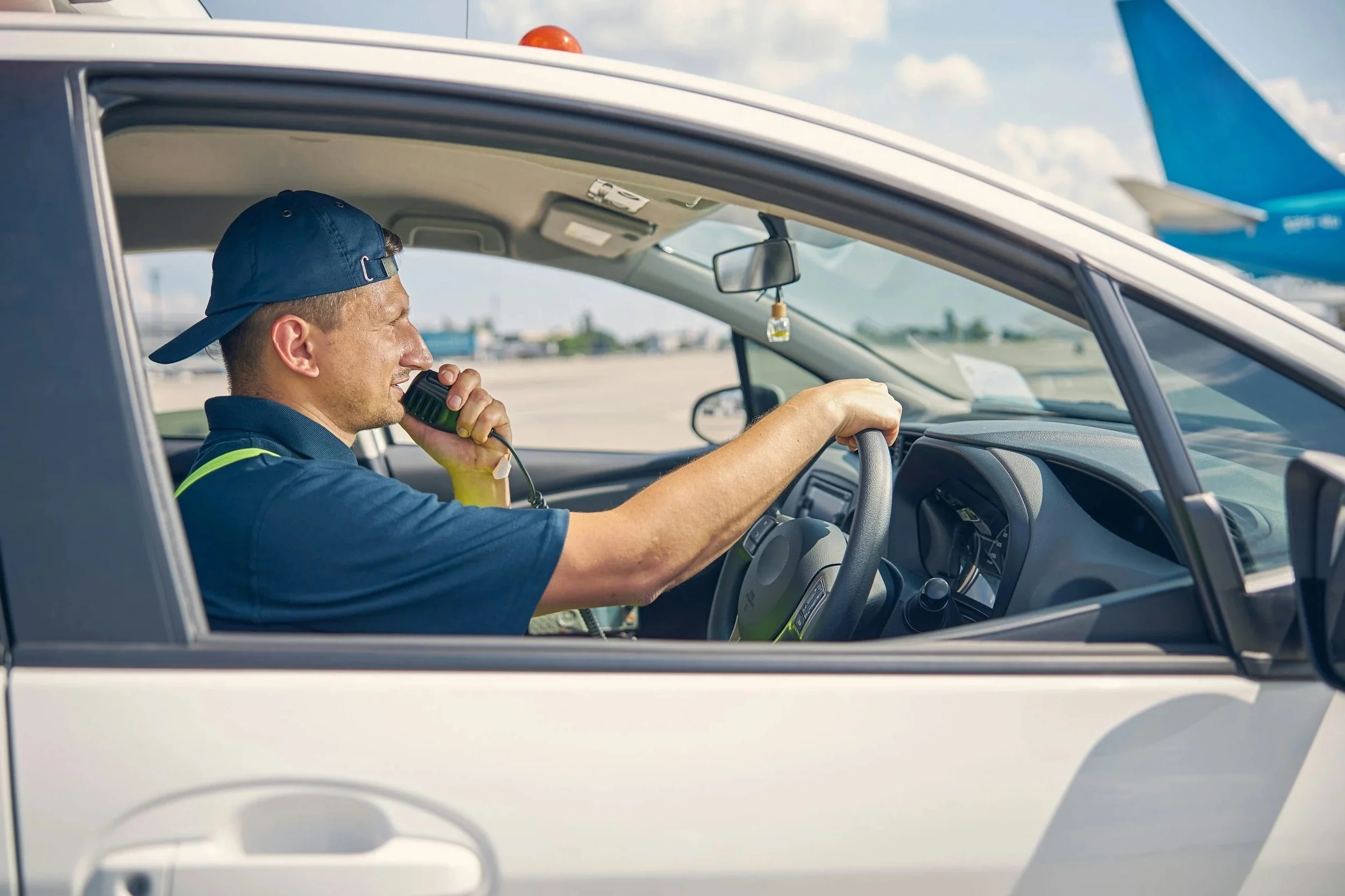
Transport work can involve noise, movement, crowds, lights, interruptions and time pressure.
The session explores practical ways to reduce avoidable barriers while keeping operational realities in view.
Support, standards and safety
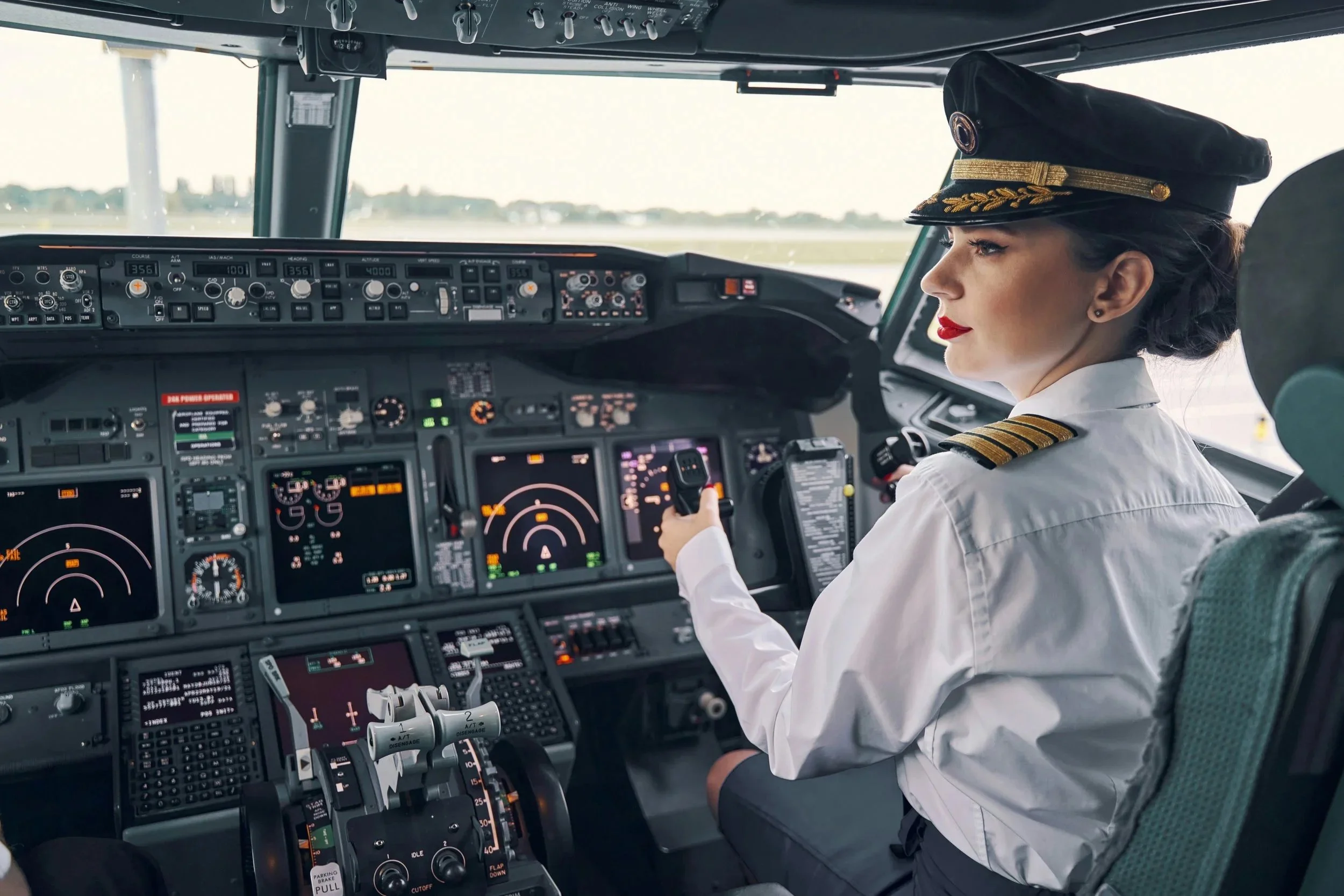
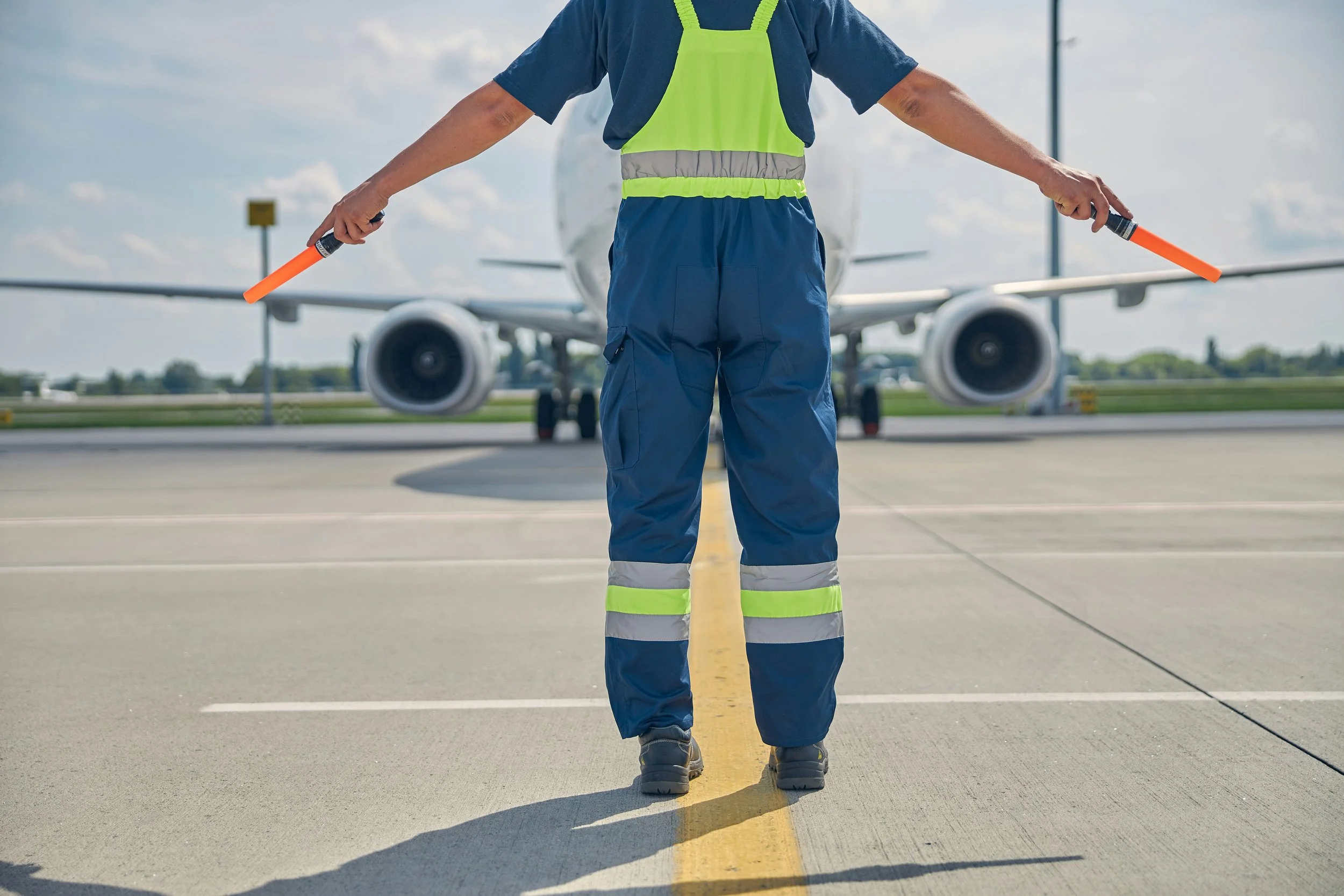
Neuroinclusion does not sit outside safety or service.
The session helps teams think about how support, clarity and standards can work together.

Shaped around your roles, routes and operational environment
The session can be tailored for rail, road, logistics, passenger services, operations, customer service, depots, managers or mixed teams.
What safer and more inclusive transport practice requires
Participants leave better able to:
Understand neurodiversity in transport settings.
Recognise communication and sensory barriers.
Support clearer operational communication.
Consider practical adjustments.
Maintain safety and service standards.
Build more confident team practice.
Identify realistic improvement actions.
Built around communication, change, safety and service delivery
This is a practical, notecard-led session shaped around transport realities and participant roles.
Connect frontline learning with management and organisational practice
Transport neurodiversity training can support operational teams, managers, customer-facing colleagues and leaders.
Because transport settings often involve communication, safety, service, sensory pressure and time-critical work, training may connect naturally with line manager training, communication training, leadership training or wider neurodiversity inclusion sessions.
The Neuro Tide training suite helps each audience understand what neuroinclusion means in their own role.
This supports clearer decisions, stronger communication and more practical support across transport environments.


Strengthen neuroinclusion across your transport operation
Support people well while maintaining safe and reliable operations.