


Front-of-house neurodiversity training
Build confident, inclusive experiences from the first point of contact
Front-of-house teams are often the first human point of contact.
They may support visitors, customers, guests, clients, patients, students or members of the public in environments that are busy, emotional, sensory and unpredictable.
This training helps front-of-house teams understand neurodiversity and respond with more confidence, clarity and care.
Front-of-house neuroinclusion may involve ADHD, autism, AuDHD, dyslexia, dyscalculia, dysgraphia, dyspraxia or tics / Tourette’s. This session helps teams respond with more clarity, calm and confidence in public-facing situations where communication, sensory pressure and emotional load can change quickly.
When front-of-house confidence matters most
This session is especially useful when teams need to support people calmly, give clear information, reduce avoidable friction and know when to adapt, pause or escalate.
Understanding that improves public-facing interactions

Public-facing work needs practical neuroinclusion.
Teams need to understand how communication, sensory environments, waiting, uncertainty, signage, instructions and tone can affect people differently.
This session builds understanding, then applies it to real service situations.
Understanding how people may experience your service differently
Participants explore how neurodifferences may shape communication, processing, sensory experience, anxiety, attention, waiting, transitions and confidence.
The session keeps the focus practical and respectful.
Responding well in real front-of-house situations
The practical part focuses on service interactions.
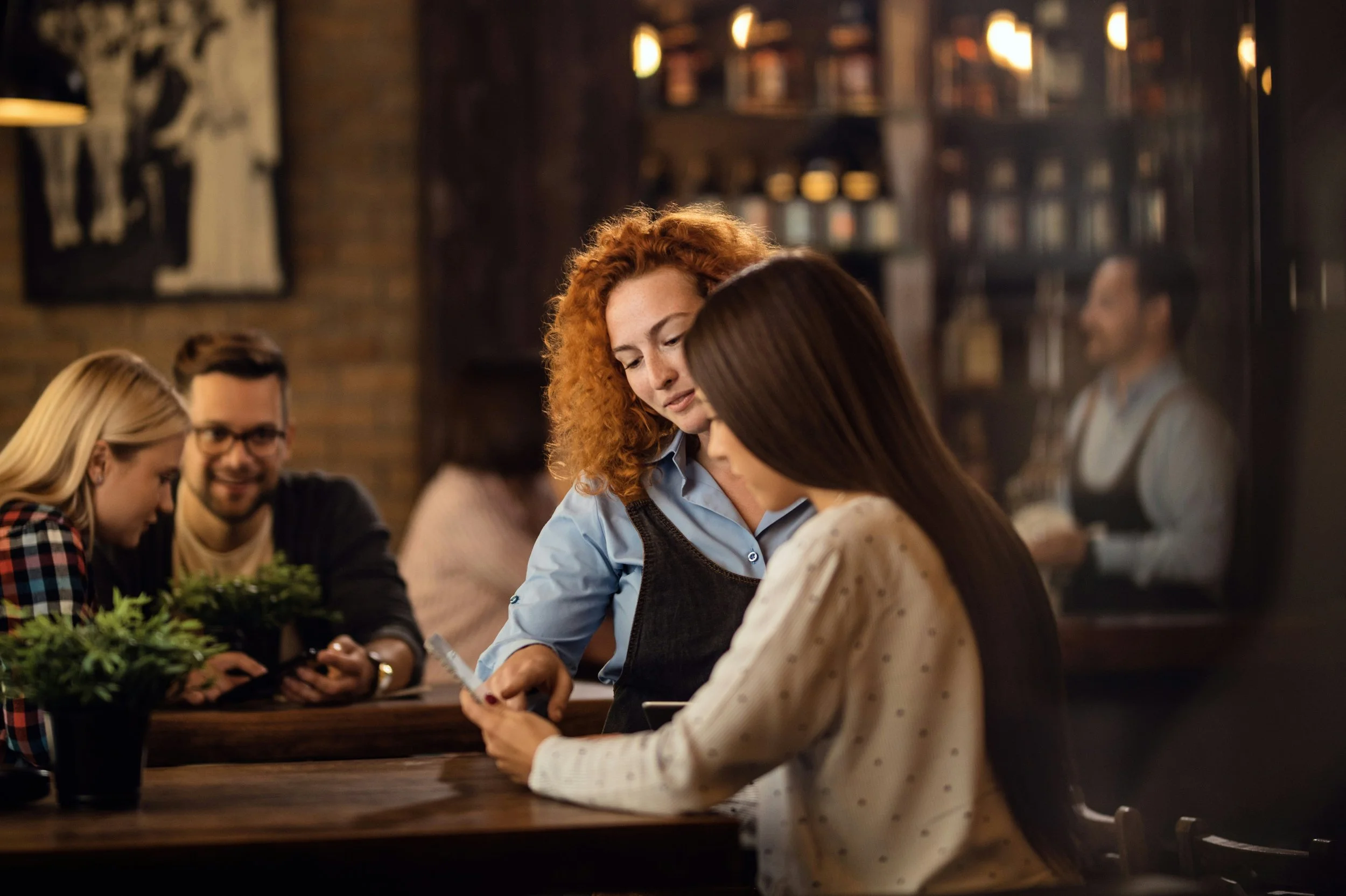
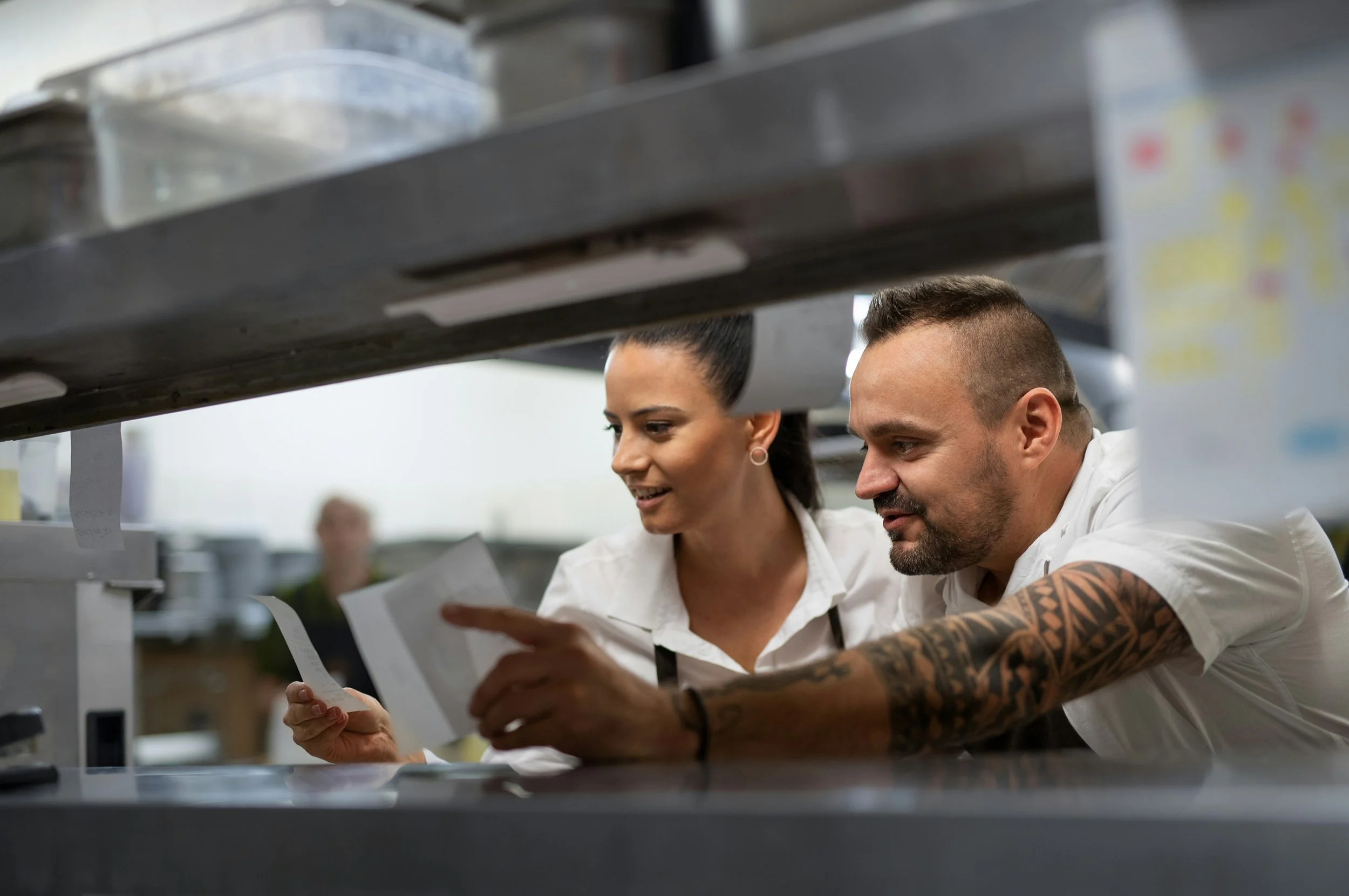
This may include greeting people, giving directions, managing queues, handling distress, adapting communication, supporting visitors and knowing when to escalate.
Making information easier to understand and act on
Participants explore how to give information in ways that are easier to understand and act on.
This includes clear language, calm tone, simple choices and checking what the person needs.

Reducing pressure in busy public-facing environments
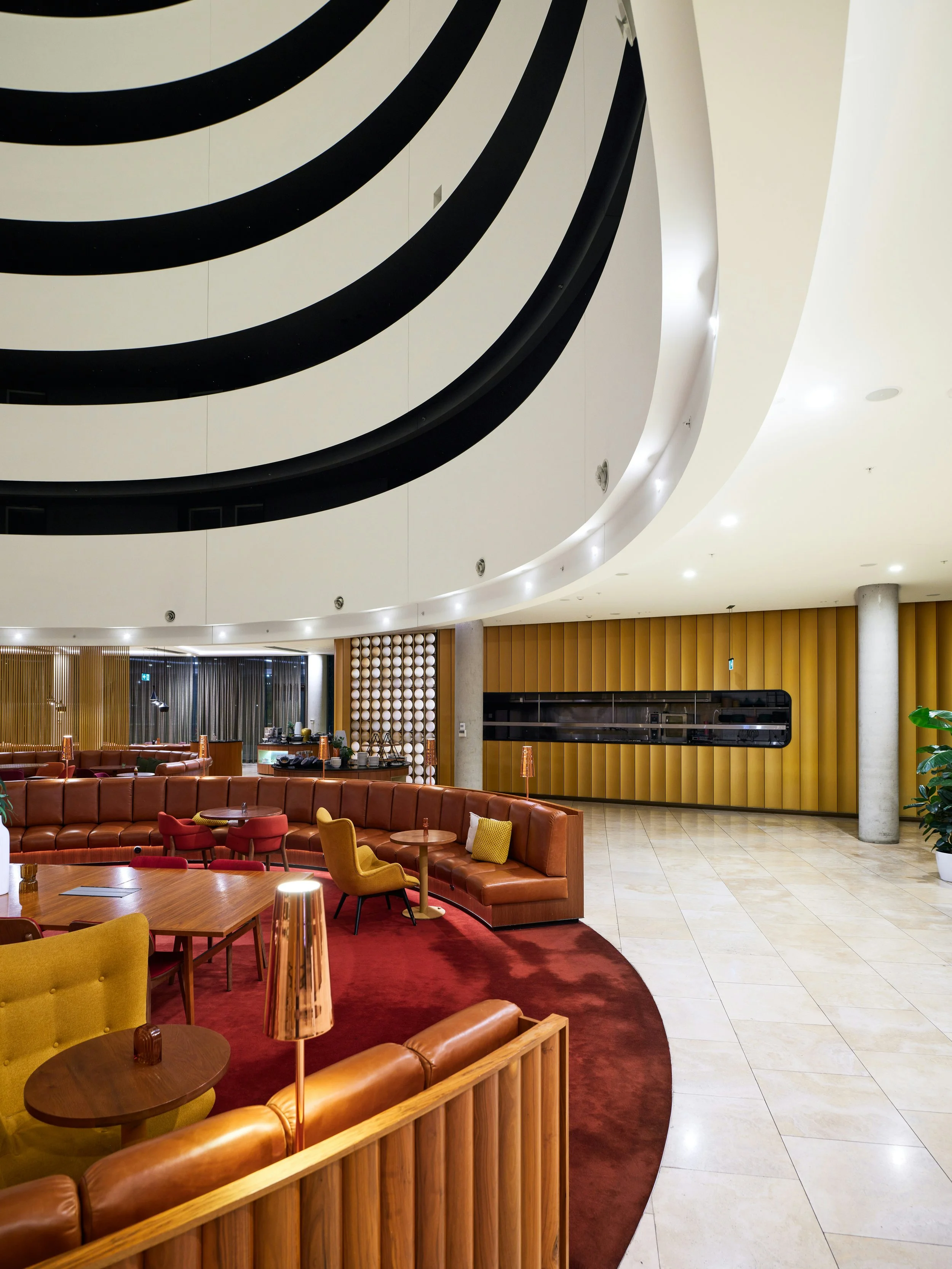
Front-of-house spaces can be noisy, bright, crowded or confusing.
The session explores how small adjustments can improve comfort and confidence.

Supporting someone without increasing the pressure
Teams learn how to stay calm, reduce pressure and avoid escalating a situation.
The focus is respectful, practical and safe.

Shaped around your setting, service and visitors
The session can be tailored for reception teams, visitor services, hospitality, venues, healthcare settings, education, events, public services or corporate front-of-house teams.
What front-of-house teams become better equipped to do
Participants leave better able to:
Understand neurodiversity in public-facing settings.
Communicate with more clarity and calm.
Recognise sensory and processing barriers.
Respond better when someone is overwhelmed.
Support visitors, customers or clients respectfully.
Reduce avoidable friction in service interactions.
Know when to seek further support.
Scenario-led learning built around real interactions
This is a practical, scenario-led session shaped around real front-of-house interactions.
Build consistent inclusion across the wider service experience
Front-of-house training supports the people who often create the first impression of an organisation.
It can connect well with communication training, retail training, hospitality training, line manager training or wider neurodiversity inclusion training.
The wider Neuro Tide training suite helps organisations build more inclusive service, clearer internal support and stronger confidence across customer-facing roles.
Each session is practical, audience-specific and shaped around the situations people are likely to face.


Create service experiences that more people can navigate comfortably.